Go to Sanctuary Home Page Go to Sanctuary Home Page

The Care Farm Philosophy and Ecotherapy

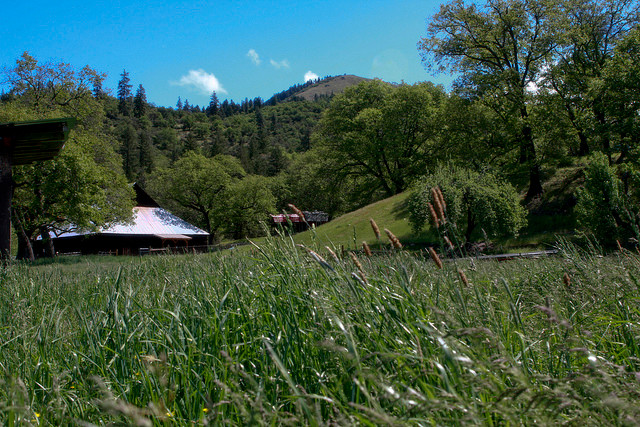
In an increasingly technological and urban world, many of us have lost the connection to nature once so valued by our ancestors. The average American's experience of nature has shifted dramatically within the past two generations, and today, even children living in rural areas are increasingly replacing a connection to nature with a connection to the Internet. This trend has profound consequences not only for our mental and physical health, but also for the future of the planet.

It has long been observed that individuals who regularly spend time in a natural setting tend to have better social, emotional, and physical health, and a deeper regard and caring for the environment:


That nature is potent medicine has been well documented. One study showed that surgical patients with a view of trees required fewer painkillers... Other studies have suggested that even static pictures or videos of nature scenes might confer health benefits. (“Nature a natural for soothing stress.” Kyung M. Song, The Oregonian, June 18, 2008)


In the case of children, Richard Louv, author of Last Child in the Woods (Algonquin Books, 2005), says it best: "[T]houghtful exposure of youngsters to nature can...be a powerful form of therapy for attention-deficit disorder and other maladies." Not only can nature teach kids science and nurture their creativity, he says, nature needs its children, for they are the stewards of the future.

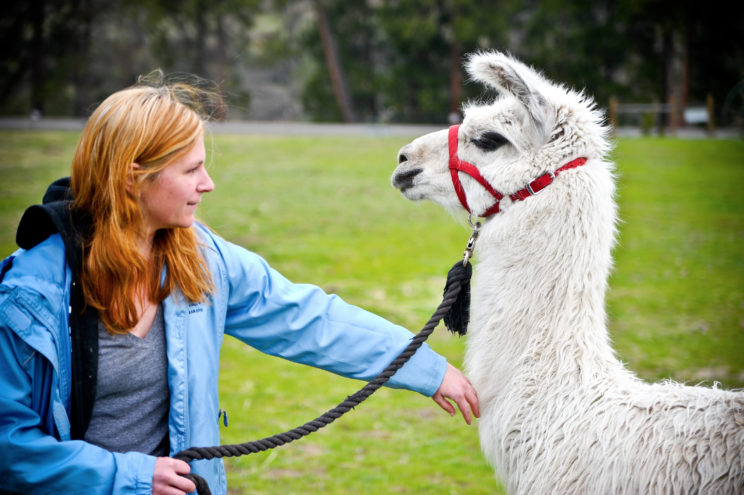
To provide an opportunity for people to engage with nature in a way that is safe for the land and animals, Sanctuary One is adapting the concept of a Care Farm as a tool of ecotherapy. A care farm provides an ideal environment in which to learn and practice the art of care giving in a way that also transforms the caregiver. Care farming (also known as green care, farm care, or farming for health), is well established in Europe and the United Kingdom.

The care farm experience at Sanctuary One builds on the concept of biophilia, the notion that humans have a natural, evolved affinity for living systems. “Biophilic designs” are now being applied in health care settings, as studies demonstrate a link between human health and contact with nature, particularly the healing benefits of reduced stress. Care farms promote human mental and physical health and social well-being with multiple benefits: physical, intellectual, social, psychological, and spiritual. There is growing evidence that the experience provided by a care farm enhances self-esteem, improves social skills, facilitates rehabilitation, teaches responsibility, improves physical health, and fosters a sense of purpose.

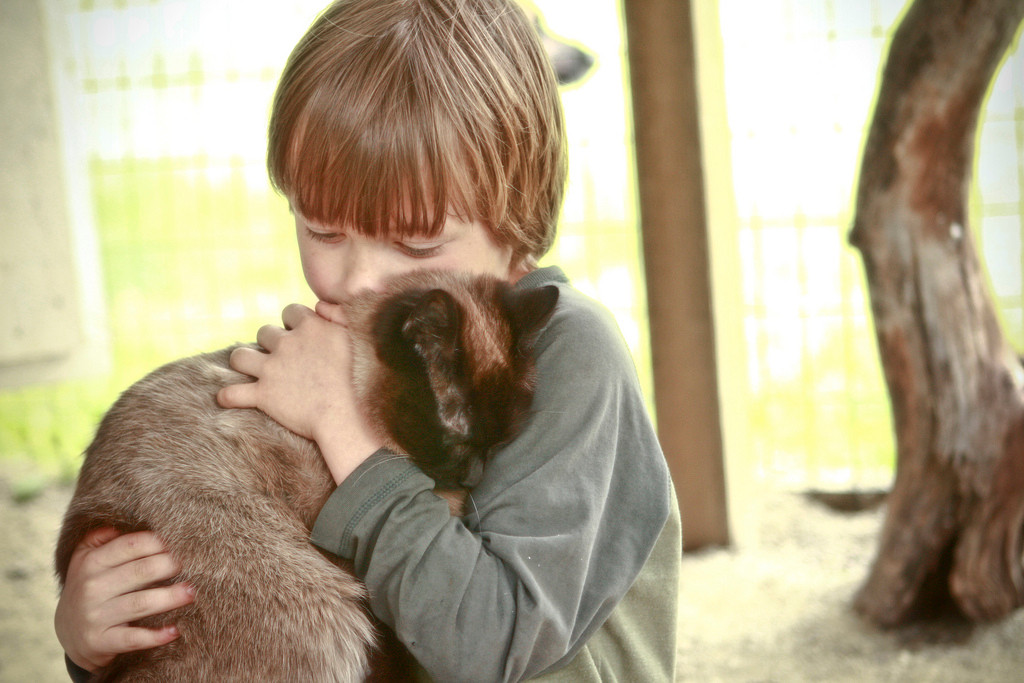
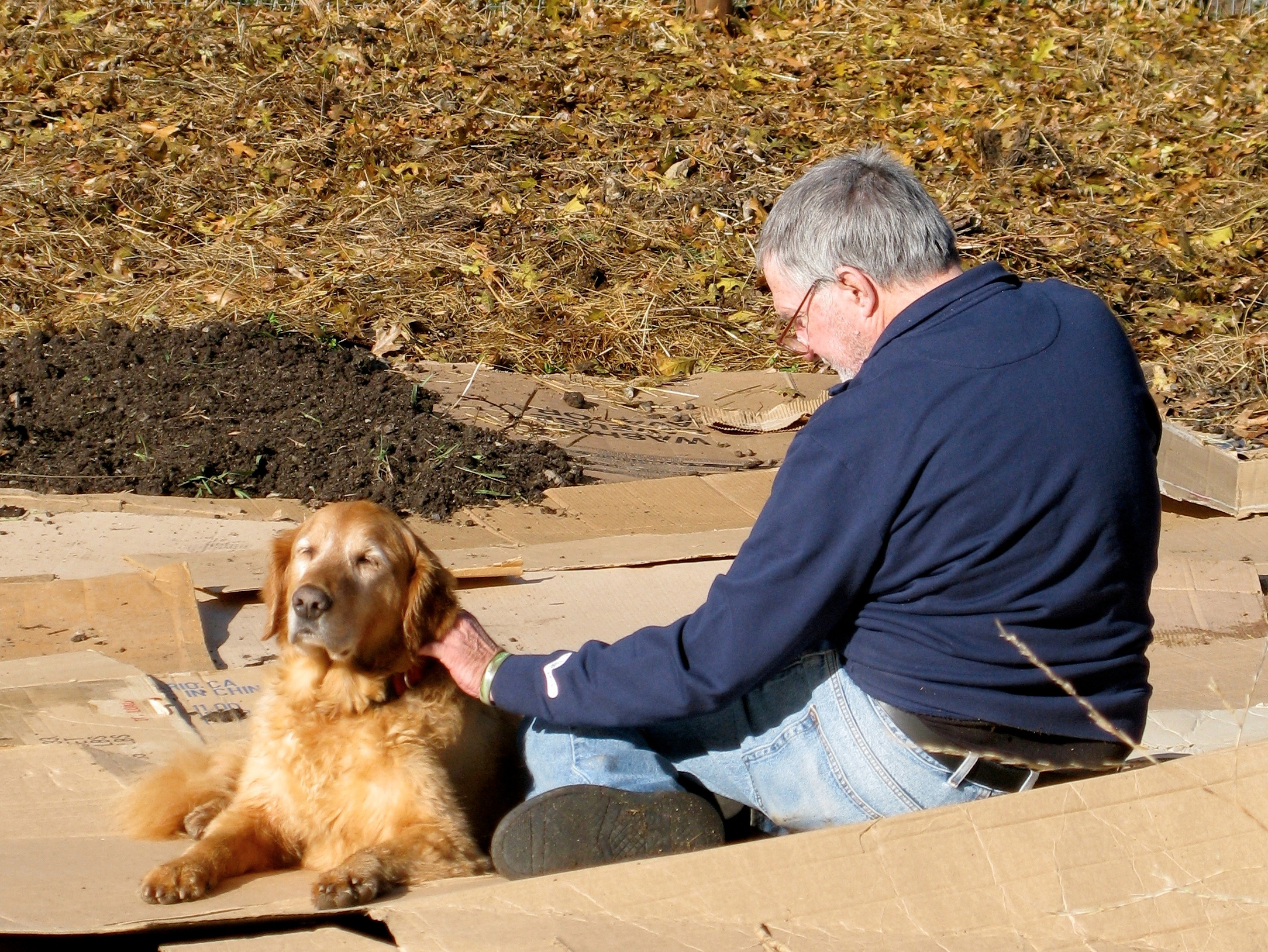
At the Sanctuary, contact with nature, of course, includes contact with animals. Various scientific studies and medical reports reveal that people who interact with animals over a period of time enjoy a number of physical and psychological benefits, including less depression, reduced stress, lower blood pressure and cholesterol, and fewer minor health problems. Our philosophy of human-animal interactions is based on the ethical position that people should not exploit animals or the land for their own healing and recovery, as sometimes occurs in animal-assisted therapy. Rather, ecotherapy and care farming should nurture the human-animal bond in a way that is healing for both humans and animals, and restores, sustains, or does no harm to the land. The community-based care farm experience at Sanctuary One will serve a diverse group that includes youth, people with disabilities, veterans, and senior citizens.

Community Collaborations

Educational Field Trips

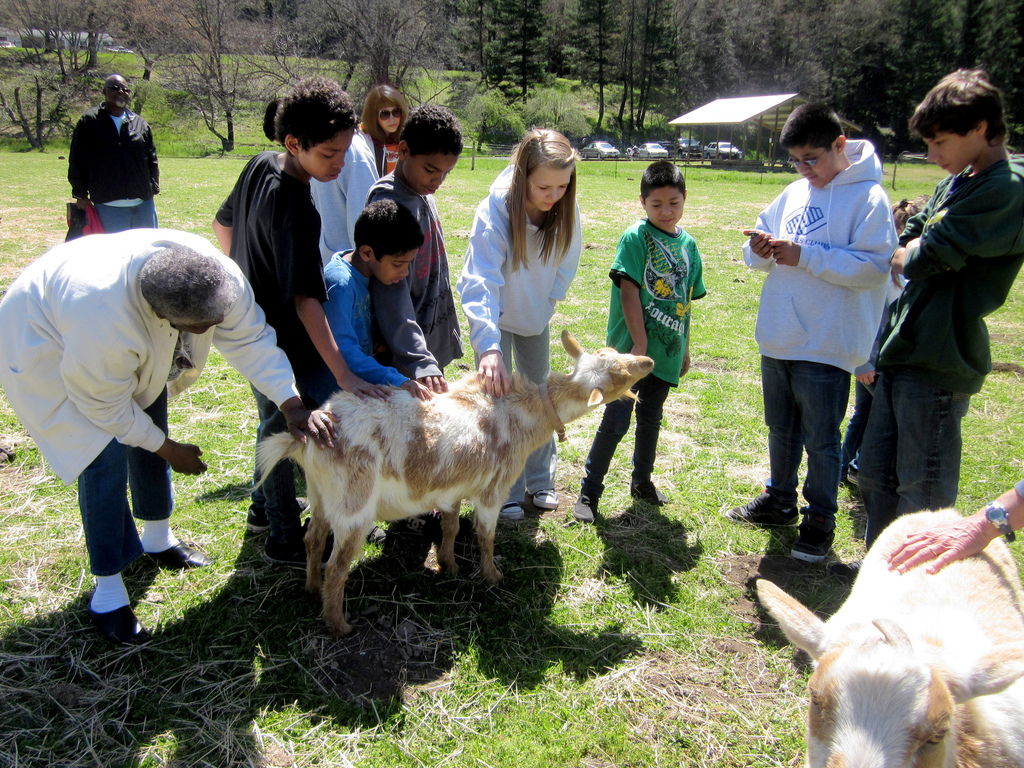
The Sanctuary receives regular requests from schools seeking a service-learning style educational opportunity for K-12 students in an agricultural environment. The combination of interacting with a variety of farm animals in a natural environment while engaging in healthful and practical life skills such as how to garden, how to use tools, basic carpentry, humane animal care responsibilities, how to comprehend life cycles and food webs, etc. can be a truly transformational experience for students, many of whom have never had an opportunity to experience simple pleasures like planting a seed, harvesting a fresh vegetable, hammering a nail, or getting to know a friendly farm animal.

We've also collaborated with the Southern Oregon Child Study & Treatment Center, a community-based alternative to institutional placement of young people with emotional and behavioral problems, to provide the kids the opportunity to experience the proven health and wellness benefits of ecotherapy and animal-assisted activities. We have also partnered with Project Dove, an initiative of the local school district targeting at-risk youth that promotes service-learning in community settings. The Lithia Springs Boys Program has also visited the farm so their boys could engage in outdoor activities, grounds maintenance, and animal interaction geared toward improving social skills and cooperation, and promoting a sense of responsibility and respect for life.

Farm Interns

In October, 2009 Sanctuary One became a member of the World Wide Opportunities on Organic Farms (WWOOF). WWOOF is an internship program. The host organization provides a place for "WWOOFers" to stay and a food stipend. In exchange, the interns work for an agreed upon amount of time. We provide hands-on farming experience, while the interns help staff with routine tasks, special projects, and hopefully teach us something, too. The Sanctuary has been selected for internships by people from as far away as Russia, Canada, and New York.

Community Justice Partnership Program

The Sanctuary has teamed up with Mediation Works and Jackson County Community Justice to provide an alternative to the traditional juvenile corrections program. The program is tailored to suit the needs of each community partner and individual youth to ensure that safety comes first. In the new model, youth offenders are matched with appropriate community partners. In addition to holding offenders accountable for their crimes, community service provides youth with the opportunity to be integrated into the community as people capable of making a positive contribution. This integration creates change in both the offender and the community. As a place of healing for animals, humans, and the earth, the Sanctuary is a great match for this exciting new program, and is ideal for those who have a specific interest in our farm or live in the Applegate Valley.

A young woman who recently completed her commuity service at the Sanctuary wrote:
"Remember when I told you I was a perfectionist? Yeah, well I tried drawing but it wasn't good enough so I decided to write something. The first day I came here I didn't know what to expect and I thought I had better things to do. I was WRONG! Hearing the stories you told me about the animals made me realize that this is where I NEEDED to be. This pushed me to work my HARDEST and get out of bed in the morning. I'm happy that I chose to work here. Everything happens for a reason. I chose this place for a reason. I will NEVER forget what memories I made here. They all mean SOOOOO much to me! It's so BEAUTIFUL and PEACEFUL here. It gave me plenty of time to THINK and appreciate EVERYTHING! To be honest, I will MISS this place and I really didn't want it to end. I'm VERY LUCKY to have had this experience and to have met such AMAZING people."

Upper Applegate Community Garden

The Sanctuary has has set aside five acres of Double Oak Farm's richest soil as a garden to grow organic vegetables and other foodstuffs. Most of the produce will be donated to the local food bank. We have fenced in the garden to keep animals out and are preparing the soil for planting. Meanwhile, our manager of farming operations, Gene Griffith, is researching how to incorporate the principles of permaculture into a community garden. Special thanks are due to the farmers and food bank experts that are lending invaluable advice and a helping hand.

Sanctuary Weekend™

In 2009, we conducted the Sanctuary Weekend for Women Veterans, a gender-specific, experiential retreat to promote wellness and improve stress management skills in a nurturing, supportive environment. Created and developed by Stacy Bannerman, M.S., this project was co-facilitated by Susan Avila-Smith, U.S. Army veteran; Amber Elizabeth Gray, MPH, MA, LPCC, LPC, ADTR, NCC, creator of the Trauma & Resiliency Program for the Raven Drum Foundation; and Sara Rich, MSW, a social worker and family therapist in private practice, and a Board member of the Trauma Healing Project.

Foster Home for Shelter Pets

In cooperation with Friends of the Animal Shelter, the Sancuary provides a temporary foster home for a rotating cast of lovable cats and dogs from Jackson County Animal Shelter. Farm manager Sansa Collins is an expert at training hard-to-place dogs and then finding good homes for them, and she also has a knack for socializing stray and feral cats.

Animal Sanctuary

Last but not least, the Sanctuary provides tender loving care and a safe home for unwanted, abused, neglected, and homeless farm and companion animals. Most of our residents come from Oregon animal shelters, certified rescue groups, and law-enforcement agencies, with a small number of referrals from other Western States. Our goal at the Sanctuary is to provide animal resident care tailored to the specific needs of the individual animal. Like people, animals are vulnerable to chronic stress and other trauma-related issues. Science and sensibility both agree that humans and other animals enjoy and require the same types of things to maintain health and happiness: high quality medical care, nutritious diets, opportunities for socializing, freedom of choice, freedom from fear, a relaxing and loving environment, security, and peace.

Home | Contact Us | FAQ | Site Map